
What it is
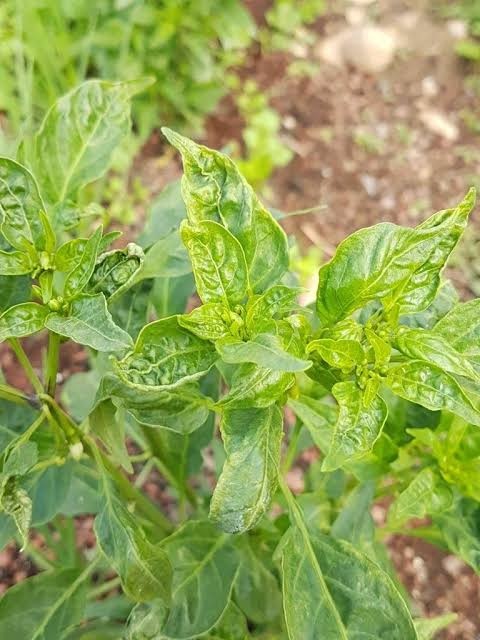
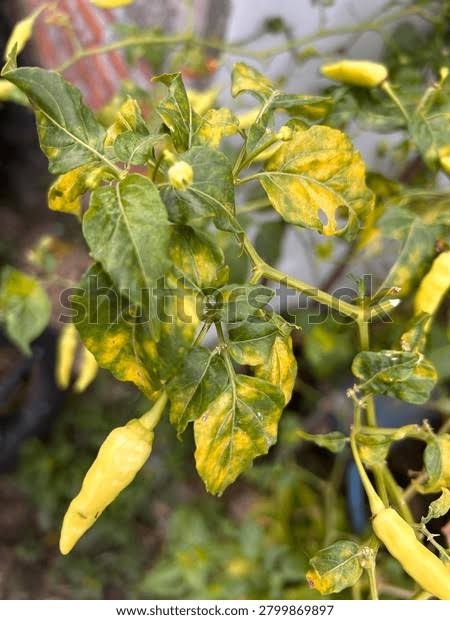
Pepper (chilli) leaf curl is a serious viral disease caused by begomoviruses and spread by the whitefly Bemisia tabaci. Infected plants show upward leaf curling, vein yellowing and swelling, puckered and reduced leaves, shortened internodes, stunting, and poor, distorted fruit set. Early infection can cause near-total yield loss. Note: environmental or herbicide stress can cause leaf curl that looks similar but is not viral.
Symptoms to look for
- Upward curling of leaf margins, giving a cup-like appearance
- Yellowing and swelling of leaf veins; leaves curl toward the midrib
- Leaves become smaller, puckered, crinkled, and later leathery and brittle
- Shortened internodes and petioles, with overall stunting
- Flower drop and rudimentary, distorted fruit; whiteflies often on leaf undersides
When it spreads
Warm, whitefly-friendly weather common in tropical and subtropical areas, and proximity to other host crops (tomato, tobacco) and weeds that harbour whiteflies and the virus. Whitefly numbers usually peak from mid to late season; the virus is generally not seedborne (with a few exceptions).
Treatment
Field practices
Use resistant/tolerant varieties where available and clean, whitefly-free transplants raised under netting. Remove infected plants promptly, control weeds and volunteers that host whiteflies, avoid planting next to tomato or tobacco, keep a break between crops, and destroy debris after harvest.
Organic options
There is no cure for infected plants - remove and destroy them to cut the virus source. Manage whiteflies with yellow sticky traps, insecticidal soap or neem oil sprayed on leaf undersides, reflective mulch, and fine netting over seedbeds. Encourage natural enemies and avoid harsh broad-spectrum sprays that kill them.
Active ingredients
- neem oil (azadirachtin)
- insecticidal soap
Chemical options
No chemical cures the virus; management targets the whitefly vector. Neonicotinoids (imidacloprid, thiamethoxam, dinotefuran) applied to soil or at transplanting protect young plants; foliar products such as pyriproxyfen and spiromesifen target eggs and nymphs. Rotate insecticide groups because whiteflies develop resistance quickly.
Active ingredients
- imidacloprid
- thiamethoxam
- dinotefuran
- pyriproxyfen
- spiromesifen
Safety
Neonicotinoids are highly toxic to bees - do not spray flowering plants and apply in the evening. Wear gloves and a mask when spraying, follow the label pre-harvest interval, and keep children and animals away from treated plants and soil drenches until dry.
Preventing it next season
Start with resistant varieties and clean transplants raised under fine netting. Control whiteflies from the seedbed stage, monitor with sticky traps, remove weeds and volunteers, and destroy symptomatic plants early. Avoid overusing broad-spectrum insecticides that kill whitefly predators.