
What it is
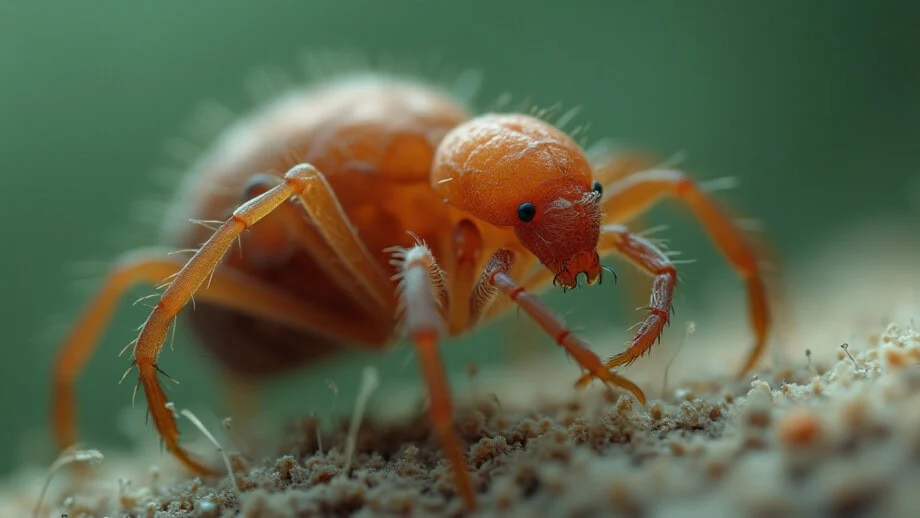
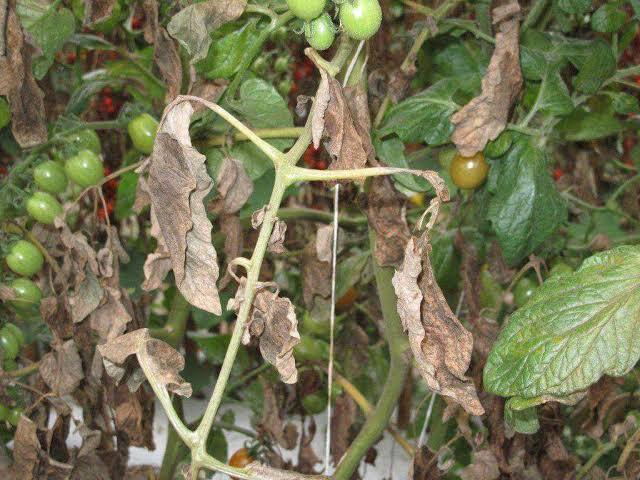
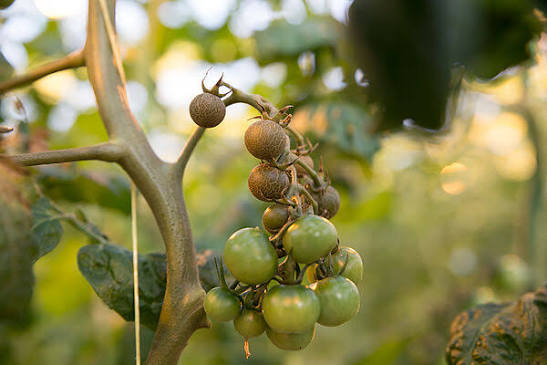
The tomato russet mite is a microscopic eriophyid mite that sucks the contents of plant cells. It usually starts near the base of the plant and moves upward, turning stems and leaves a greasy bronze or rust colour, drying the lower leaves, and russeting the fruit. It is invisible to the naked eye and is often noticed only after damage appears; if uncontrolled it can kill plants.
Symptoms to look for
- Greasy bronze or rust-coloured discolouration on stems and lower leaves
- Lower leaves dry, curl, and die, with damage progressing upward
- Leaves may develop a silvery sheen on the underside before browning
- Fruit turns rough, bronzed, and russeted, staying small
- Damage looks like drought or nutrient deficiency; mites need a hand lens (10x to 14x) to see
When it spreads
Hot temperatures and low humidity, which let the mite complete a generation in about 7 to 10 days and multiply very fast. Dry, dusty conditions and dense plantings favour outbreaks; problems are common in warm, dry seasons and in greenhouses.
Treatment
Field practices
Scout the base and lower stems of plants weekly with a hand lens, especially in hot dry weather. Remove and destroy the most affected plants, avoid moving mites on hands, tools, and clothing, control solanaceous weeds, and keep plants adequately watered so they are less stressed.
Organic options
Wettable sulphur is the main organic option and gives good control when applied thoroughly, including lower leaves and stems; do not use sulphur in very hot weather (above about 32 degrees C) or it can burn plants. Neem oil and insecticidal soap help against light infestations. Predatory mites can be released in greenhouses. Remove and destroy heavily infested plants.
Active ingredients
- wettable sulphur
- neem oil (azadirachtin)
- insecticidal soap
Chemical options
Miticides (acaricides) such as abamectin or spiromesifen give control when applied at the first sign, with thorough coverage of stems and leaf undersides. Sulphur products are also registered. Rotate chemical groups to avoid resistance and repeat as the label directs, since eggs are not always killed.
Active ingredients
- abamectin
- spiromesifen
- sulphur
Safety
Sulphur can burn plants above about 32 degrees C and must not be used within a few weeks of oil sprays. Wear gloves, a mask, and eye protection with sulphur, abamectin, or spiromesifen, and follow the label pre-harvest interval before picking. Keep children and animals away from treated plants until dry.
Preventing it next season
Start with clean transplants, inspect the base of plants early and often since infestations begin low and unseen, keep plants well watered, remove nightshade weeds and old crop debris, and avoid carrying mites between plants on hands and tools.