
What it is
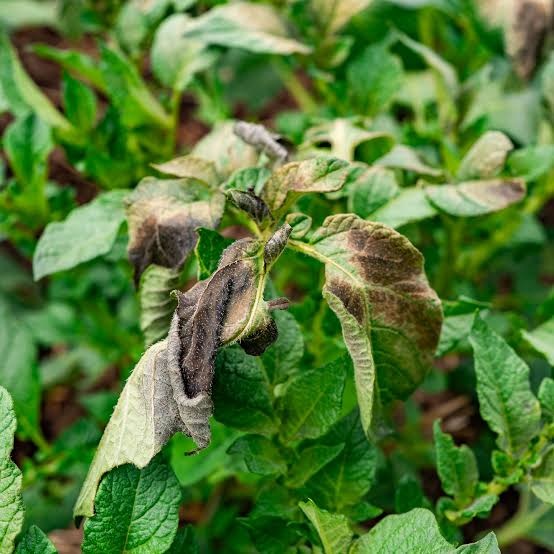
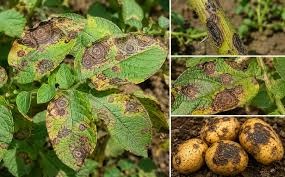
Early blight of potato is caused by the fungus Alternaria solani. It typically appears on older, lower leaves as dark brown to black spots with characteristic dark concentric rings alternating with light tan bands, giving a bull's-eye or target appearance. Affected leaves droop, dry, and die, and the disease progresses upward. Tubers can develop circular, slightly sunken lesions with raised dark borders and leathery underlying tissue. Losses rarely exceed 20% but can be severe if uncontrolled.
Symptoms to look for
- Small circular or irregular dark brown to black spots on older, lower leaves first
- Spots enlarge and show dark concentric rings alternating with light tan bands (target or bull's-eye pattern)
- A narrow yellow (chlorotic) zone often surrounds each spot
- Spots may become angular as they expand, restricted by leaf veins; affected leaves droop, dry, and die
- Tubers can show circular, slightly sunken lesions with raised purple to dark brown borders and leathery, corky tissue underneath
When it spreads
Warm temperatures (optimum about 28 to 30 degrees C) with alternating wet and dry periods, and frequent foliage wetting from rain, heavy dew, fog, or sprinkler irrigation. Older, mature or senescing foliage is most susceptible, so early-maturing cultivars and plants with poor nutrition or heavy tuber load are at higher risk. The fungus overwinters in infected crop debris and soil.
Treatment
Field practices
Rotate away from potato, tomato, eggplant, and pepper for two to three years, maintain good soil fertility (especially nitrogen) so foliage stays vigorous, avoid overhead irrigation and prolonged leaf wetness, control solanaceous weeds and volunteers, hill tubers well to protect them, and destroy crop debris after harvest.
Organic options
Remove and destroy the first spotted lower leaves and old debris. Copper fungicides and biofungicides based on Bacillus subtilis or Trichoderma harzianum slow spread when applied early and repeated every 7 to 10 days. Keep plants well nourished, since early blight attacks stressed and nutrient-poor foliage hardest.
Active ingredients
- copper hydroxide
- Bacillus subtilis
- Trichoderma harzianum
Chemical options
Protectant fungicides such as chlorothalonil or mancozeb applied on a 7 to 14 day schedule give good control, tightened in wet weather. Products with azoxystrobin, pyraclostrobin, or difenoconazole are also effective. Alternate modes of action to slow resistance, and ensure thorough coverage of lower leaves where the disease starts.
Active ingredients
- chlorothalonil
- mancozeb
- azoxystrobin
- pyraclostrobin
- difenoconazole
Safety
Wear gloves, a mask, and eye protection when spraying, and follow the label pre-harvest interval before harvest. Keep children and animals away from treated fields until sprays dry. Do not eat tubers with extensive rot, and store harvested potatoes cool, dark, and dry. Store chemicals safely out of reach.
Preventing it next season
Use certified disease-free seed potatoes and less-susceptible or later-maturing cultivars, rotate crops for two to three years, keep plants well fertilised and unstressed, avoid overhead irrigation, hill tubers to protect them from spores washing down, and remove crop debris after harvest.