
What it is
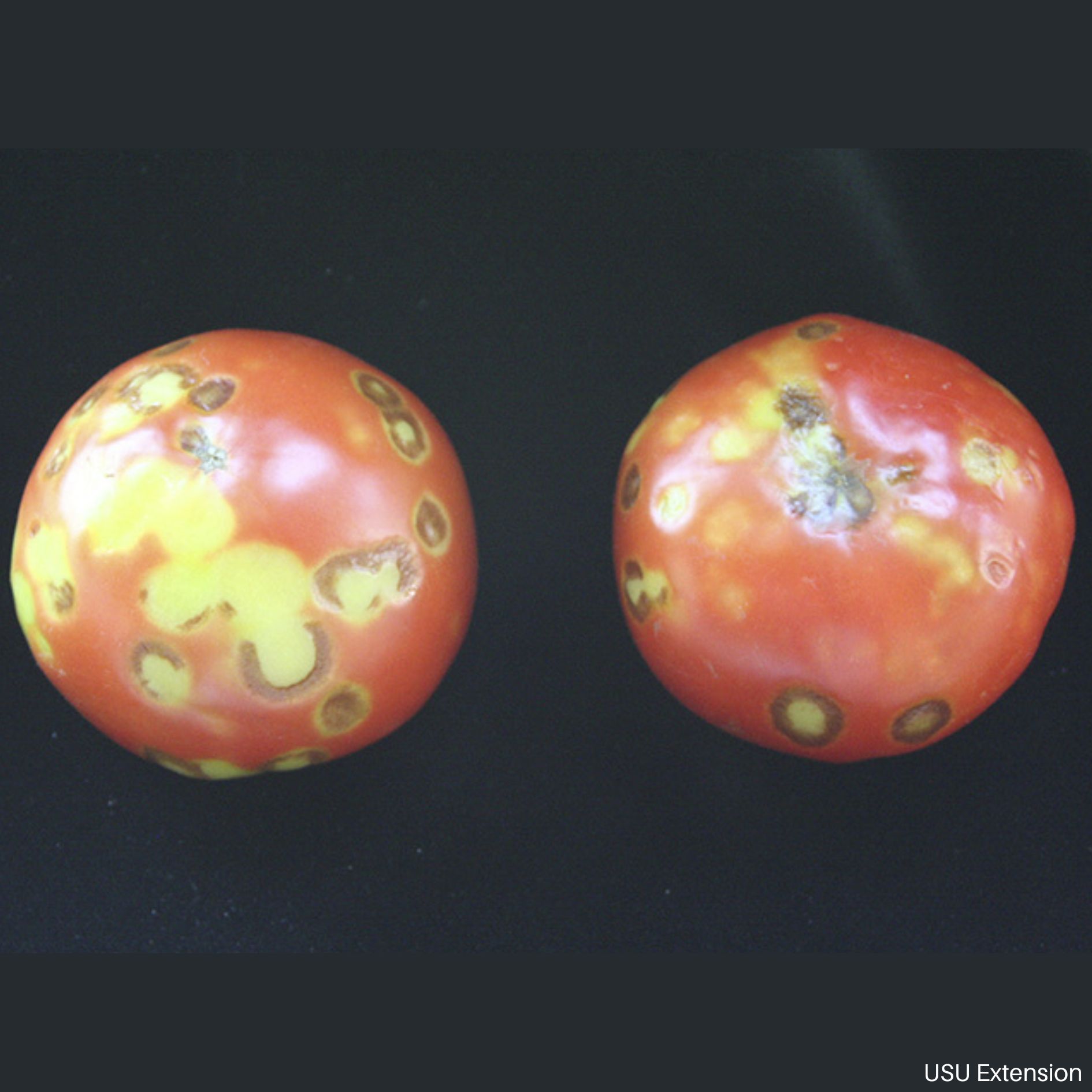
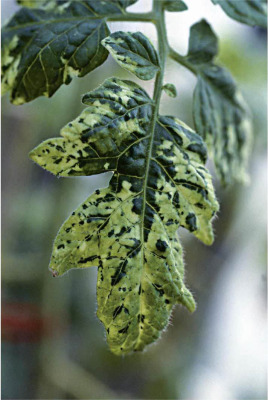
Tomato mosaic virus is a very stable, highly infectious virus spread mainly by seed, plant debris, and human handling rather than by insects. It causes light and dark green mottling of leaves, leaf distortion, stunting, and uneven fruit ripening, and can persist for years in debris and on stakes and tools. There is no cure once a plant is infected.
Symptoms to look for
- Mottled light and dark green pattern (mosaic) on leaves
- Leaves curled, malformed, fern-like, or reduced in size
- Plants stunted, especially when infected young
- Uneven or blotchy fruit ripening and internal browning under the skin
- Reduced fruit number and size; symptoms often milder in hot weather
When it spreads
Temperatures around 24 degrees C favour development, and symptoms may be milder when it is hotter. The virus spreads readily wherever plants are handled closely (tying, pruning, harvesting), and through infected seed, debris, and contaminated tools; it can survive in dry debris for years and even decades.
Treatment
Field practices
Use ToMV/TMV-resistant varieties (look for Tm codes) and certified clean seed. A hot-water or trisodium-phosphate seed treatment reduces seedborne virus. Wash hands and disinfect tools before handling plants, avoid working when plants are wet, remove weeds and volunteers, and destroy debris after harvest.
Organic options
There is no spray that cures a virus. Remove and destroy infected plants (do not compost). Wash hands with soap and disinfect tools with a milk solution or bleach between plants. Do not use tobacco products near tomatoes, since TMV can spread from them. Focus all effort on preventing spread.
Chemical options
No chemical controls a plant virus directly. Insecticides do not help because ToMV is not spread by insects. Money is better spent on resistant varieties, clean seed, and sanitation than on sprays.
Safety
No pesticides are used against this virus, so there is no chemical exposure. The main safety practice is hygiene: wash hands and disinfect tools so you do not spread the virus. Infected plants are not harmful to people but should be destroyed, not composted.
Preventing it next season
Prevention is everything with viruses: plant resistant varieties, use clean seed, keep a strict sanitation routine (clean hands and tools), avoid tobacco use around plants, and remove and destroy any plant showing mosaic symptoms early.