
What it is
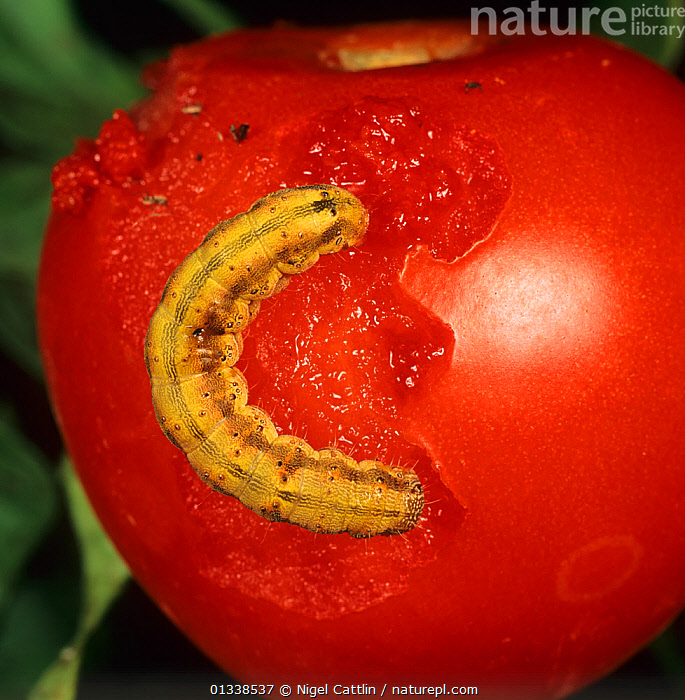
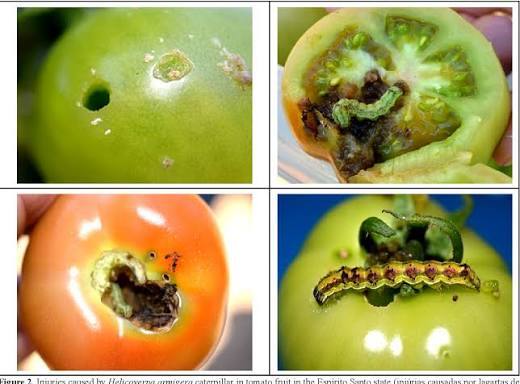
The tomato fruitworm is the caterpillar of the moth Helicoverpa armigera (the African bollworm). Larvae chew leaves and buds but do most damage by boring into fruit, which then rots or is invaded by other organisms. It attacks many crops including tomato, maize, cotton, and okra, and can cause heavy losses.
Symptoms to look for
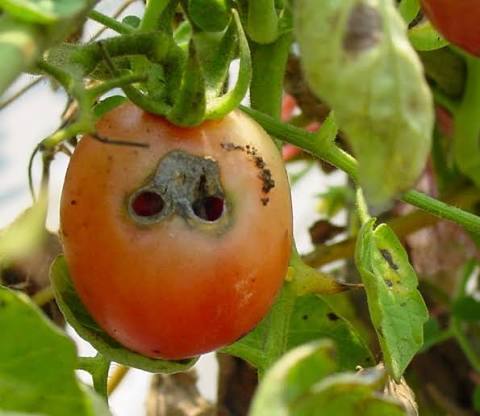
- Round bore-holes in fruit, often near the stem end, with dark frass (droppings)
- Caterpillars found inside fruit or feeding on leaves and buds
- Chewed leaves, flowers, and growing tips
- Fruit rots or is invaded by other fungi and rot organisms after boring
- Green, brown, or pinkish caterpillars up to about 4 cm long, with body stripes
When it spreads
Warm weather and continuous availability of host crops let generations build up quickly. Nearby maize, cotton, or okra can act as sources. Moths lay eggs on leaves and flowers, and young larvae move to the fruit.
Treatment
Field practices
Rotate crops and avoid planting next to maize, cotton, or okra that build up the pest. Destroy crop residues and pupae by ploughing after harvest, plant trap crops such as marigold, encourage natural enemies, and remove and destroy bored fruit to break the cycle.
Organic options
Scout for eggs and young caterpillars and handpick them where possible. Spray Bacillus thuringiensis (Bt) or neem-based products against small larvae before they enter the fruit, since once inside they are protected. Release egg parasitoids such as Trichogramma, and use pheromone traps to monitor and mass-trap moths.
Active ingredients
- Bacillus thuringiensis
- neem oil (azadirachtin)
- Helicoverpa nucleopolyhedrovirus (HaNPV)
Chemical options
Target young larvae before they bore into fruit, guided by scouting or pheromone-trap counts. Effective actives include spinosad, indoxacarb, chlorantraniliprole, and novaluron. Rotate insecticide groups to slow resistance, which Helicoverpa develops readily, and time sprays to egg-hatch.
Active ingredients
- spinosad
- indoxacarb
- chlorantraniliprole
- novaluron
Safety
Bt and neem are low-risk to people, but still wash produce before eating. Chemical insecticides like spinosad and chlorantraniliprole require gloves, a mask, and eye protection, and strict observance of the pre-harvest interval on the label since fruit is eaten. Some products are toxic to bees, so spray in the evening and avoid open flowers. Keep children and animals away from treated plants until dry.
Preventing it next season
Monitor with pheromone traps from early in the season, plant a trap crop, keep fields free of alternate hosts and weeds, and act on small larvae quickly, since control is far easier before caterpillars reach the fruit.