
What it is
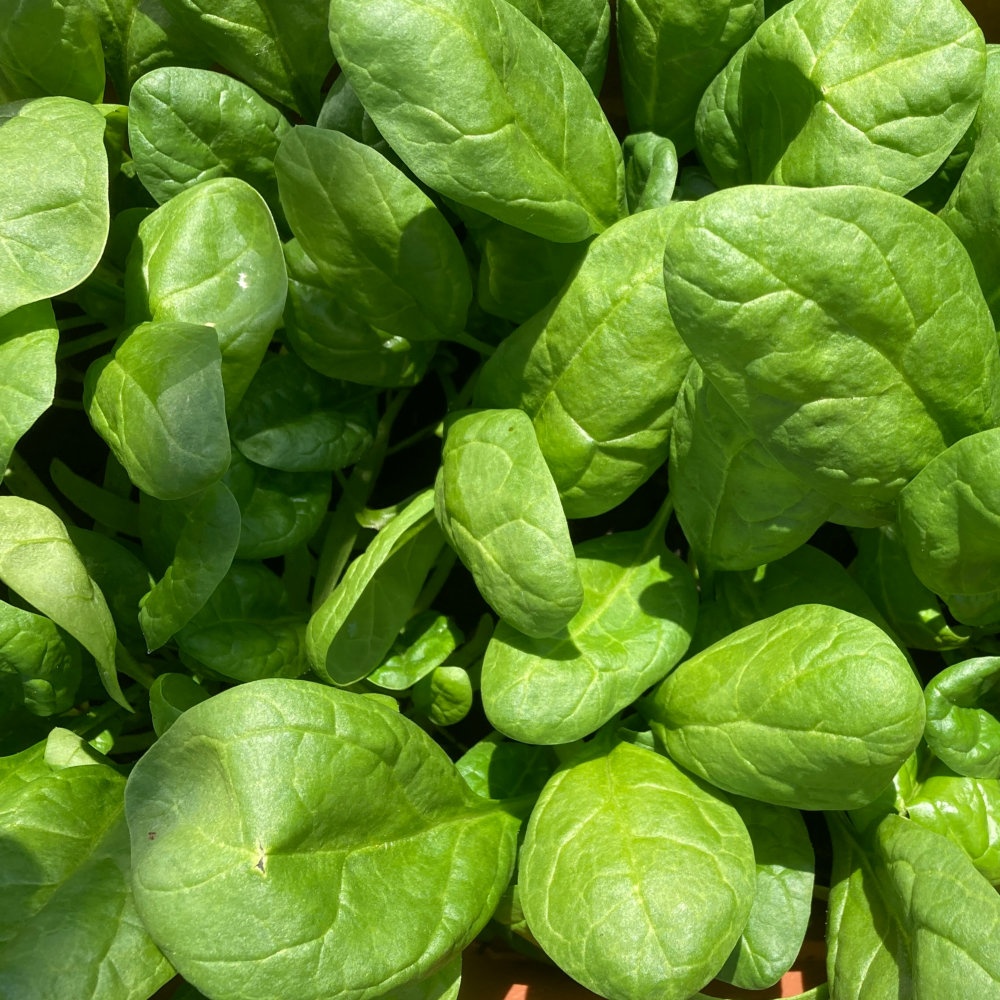
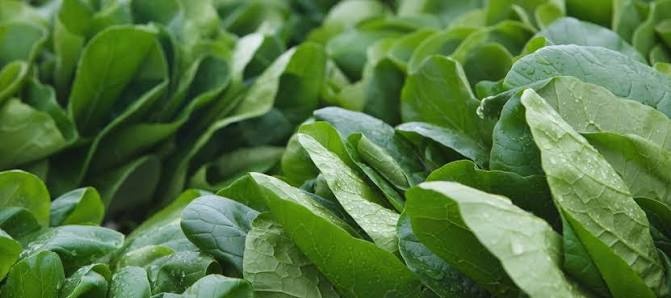
A healthy spinach plant has crisp, deep-green leaves with no spots, yellowing, mildew, curling, or holes, and grows in a compact, vigorous rosette. This class is the baseline the model uses to confirm the plant is not diseased.
Symptoms to look for
- Deep-green, crisp leaves with no spots, blotches, or yellowing
- No white, grey, or purple mildew on upper or lower leaf surfaces
- Leaves flat and uncurled, without distortion
- No holes, scraping, or insects on the leaves
- Compact, vigorous, even growth
When it spreads
Not applicable, since this represents a healthy plant. Spinach grows best in cool, moist conditions with fertile, well-drained soil, even watering, and good spacing for airflow.
Treatment
Field practices
Keep the crop healthy with crop rotation away from spinach and related greens, good spacing to speed leaf drying, weed control, base watering, and clearing crop debris after harvest.
Organic options
No treatment needed. Maintain good practices: even watering at the base, weeding, adequate spacing, and regular scouting (including leaf undersides) so problems are caught early.
Chemical options
No chemical treatment needed for a healthy plant. Avoid unnecessary spraying, which wastes money and can harm beneficial insects. Note spinach is a leafy crop eaten whole, so any future spray must respect pre-harvest intervals.
Safety
No pesticides are applied to healthy plants, so there are no chemical safety concerns. Since spinach leaves are eaten whole, always wash them well before eating.
Preventing it next season
Use clean, certified seed, rotate away from spinach and beet-family greens, provide fertile, well-drained soil and good spacing, water at the base to keep leaves dry, and inspect plants regularly to catch problems early.