
What it is
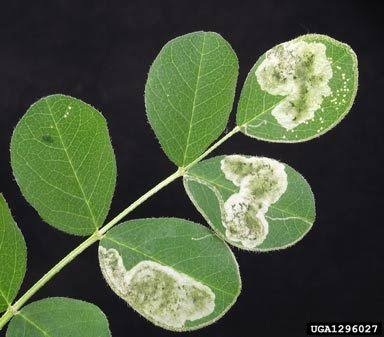
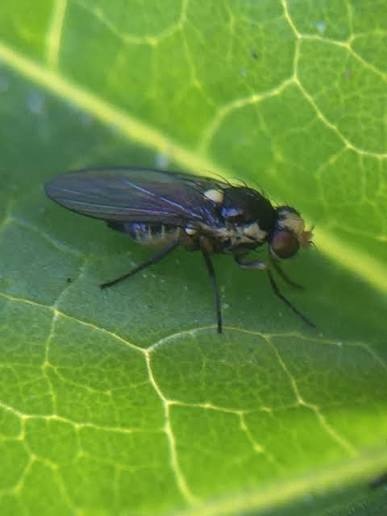
The pea leaf miner is a small fly whose larvae tunnel (mine) inside the leaf, eating the soft tissue between the upper and lower surfaces and leaving pale, winding trails. Heavy mining dries out leaves, causes premature leaf drop, and reduces yield; adult females also make feeding and egg-laying punctures. It attacks peas and many vegetables and ornamentals.
Symptoms to look for
- Pale, winding tunnels (mines) inside the leaf, visible from the surface
- Small pale spots (stipples) from adult females feeding and laying eggs
- Leaves dry out and drop prematurely where mining is heavy
- Tiny larvae (dirty white, semi-transparent) visible inside the mines
- Reduced leaf area and yield; seedlings can be badly weakened
When it spreads
Warm conditions with continuous host crops let generations build up quickly, and problems can be worse in tropical and subtropical areas and greenhouses. Broad-spectrum insecticides that kill the tiny parasitic wasps controlling leafminers can trigger much worse outbreaks (secondary pest outbreak).
Treatment
Field practices
Scout leaves for mines and adult stippling from early in the crop, use row covers on young plants, remove and destroy mined leaves and crop debris, control weeds that host leafminers, rotate crops, and protect parasitic wasps by minimising broad-spectrum sprays.
Organic options
Remove and destroy heavily mined leaves to kill the larvae inside. Use fine row covers or netting on young plants. Neem oil (azadirachtin) deters egg-laying and affects larvae. Protect and encourage natural enemies, especially parasitic wasps, by avoiding harsh broad-spectrum sprays. Yellow sticky traps help monitor adult flies.
Active ingredients
- neem oil (azadirachtin)
- spinosad
Chemical options
Because larvae are protected inside the leaf, target them with translaminar or systemic products such as abamectin, spinosad, or cyromazine (an insect growth regulator), timed to egg-hatch and young larvae. Rotate insecticide groups since leafminers develop resistance, and avoid broad-spectrum sprays that destroy their natural enemies.
Active ingredients
- abamectin
- spinosad
- cyromazine
Safety
Peas are eaten, so choose products registered for peas and follow the pre-harvest interval strictly. Spinosad and some products harm bees, so spray in the evening away from flowers. Wear gloves and a mask when spraying, keep children and animals away until dry, and wash pods before eating.
Preventing it next season
Use row covers or netting over young plants, scout leaves early for mines, remove mined leaves promptly, keep weeds down, rotate crops, and above all protect natural enemies by avoiding unnecessary broad-spectrum insecticides, which are the main cause of severe leafminer outbreaks.