

What it is
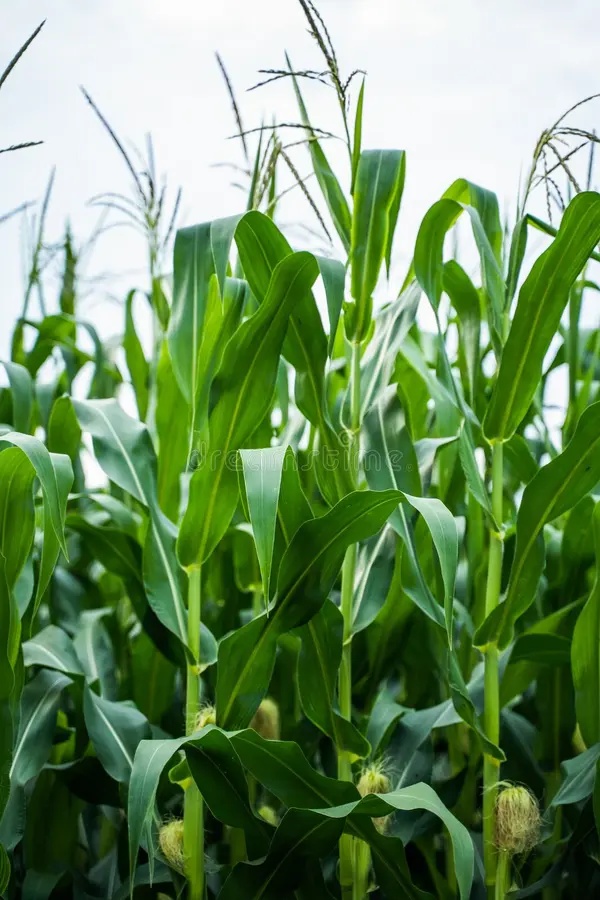
A healthy maize plant has upright, uniformly green leaves with no lesions, rust pustules, streaks, or holes, a firm stalk, and a healthy whorl free of caterpillar frass. This class is the baseline the model uses to confirm the plant is not diseased or infested.
Symptoms to look for
- Upright, uniformly green leaves with no spots, streaks, or lesions
- No rust pustules on either leaf surface
- No windowpane damage, ragged holes, or rows of perforations
- A clean whorl with no moist sawdust-like frass
- Firm stalk and steady, even growth
When it spreads
Not applicable, since this represents a healthy plant. Maize grows best in warm conditions with fertile, well-drained soil, adequate moisture at key stages, full sun, and balanced fertility, planted on time at the onset of rains.
Treatment
Field practices
Keep the crop healthy with crop rotation away from maize and grasses, good spacing for airflow, weed control, timely planting, balanced fertility, and clearing or ploughing in crop residue after harvest.
Organic options
No treatment needed. Maintain good practices: adequate fertility (manure or compost), weeding, timely planting, and regular scouting of the whorl and leaves so pests and disease are caught early.
Chemical options
No chemical treatment needed for a healthy plant. Avoid unnecessary spraying, which wastes money, speeds up pest resistance, and can harm beneficial insects and natural enemies of pests like fall armyworm.
Safety
No pesticides are applied to healthy plants, so there are no chemical safety concerns. Store harvested grain dry and clean to prevent storage pests and mould.
Preventing it next season
Use clean, good-quality seed and adapted, disease-tolerant varieties, plant on time at the onset of rains and uniformly across the area, rotate away from maize and grasses, maintain fertility and spacing, manage residue, and scout regularly to catch problems early.