
What it is
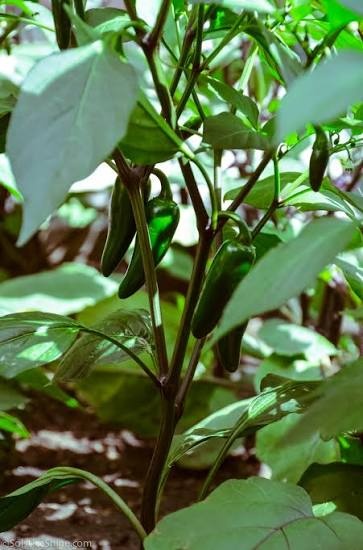
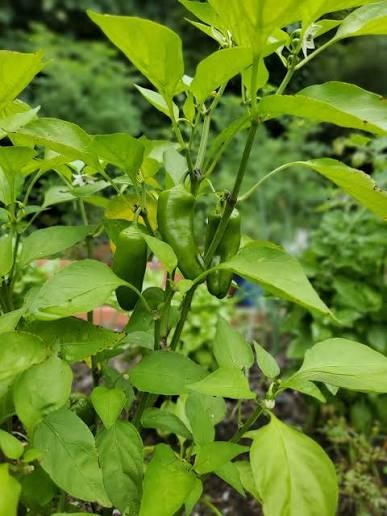
A healthy pepper plant has firm, upright stems and uniform green leaves with no spots, curling, yellowing, or mould, and sets well-shaped fruit. This class is the baseline the model uses to confirm the plant is not diseased.
Symptoms to look for
- Uniform green leaves with no spots, mottling, curling, or yellowing
- Firm, upright stems with steady new growth
- Flowers and fruit forming normally without lesions
- No mould, webbing, or insects on leaf undersides
- Well-shaped, healthy fruit without spots or distortion
When it spreads
Not applicable, since this represents a healthy plant. Good conditions include well-drained soil, even watering, full sun, warm temperatures, good spacing for airflow, and balanced fertility.
Treatment
Field practices
Keep the crop healthy with crop rotation away from pepper, tomato, and other nightshades, proper spacing for airflow, staking, weed control, and base watering rather than overhead.
Organic options
No treatment needed. Maintain good practices: even watering, mulching, weeding, and regular scouting of leaf undersides so pests and disease are caught early.
Chemical options
No chemical treatment needed for a healthy plant. Avoid unnecessary spraying, which wastes money and can harm beneficial insects.
Safety
No pesticides are applied to healthy plants, so there are no chemical safety concerns. Wash hands and produce before eating as normal.
Preventing it next season
Use clean, certified seed or healthy transplants, rotate away from nightshades for two to three years, provide good spacing and drainage, water at the base, and inspect plants (including leaf undersides) regularly.